Articles by "Health Tips"
Showing posts with label Health Tips. Show all posts
It is an exclusive e-Learning Blog that has been dedicated to help keen learn students to boost their knowledge in different subjects.

There are lots of physical exercises to relieve sciatica pain which are necessary to provide strength and support in the spinal column to aid for quicker recovery and healing within the back area. The objective of these exercises would be to let the back muscles to become strong and secure the spine.


Action created by doing this sciatica exercises helps facilitate the movement of fluids and nutrients towards the affected area, which will help you to accomplish a speedier recovery. However, you truly need to adhere to a number of basic physical exercises that focus on one of the hypersensitive areas in the body.

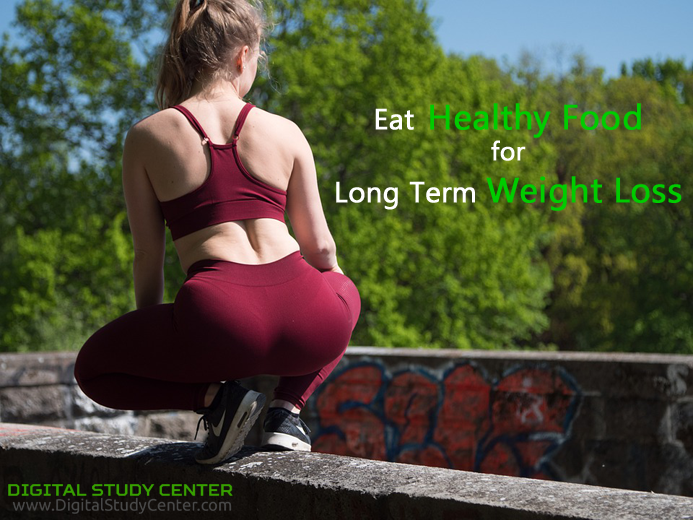
Eat Healthy Food for Long Term Weight Loss

Sciatica happens when an inflammation or tension within the back causes the sciatic nerve to become painful. The sciatic nerve is actually a big nerve which comes from your lower back and travels right down to the back of one’s legs after which it branches up to your feet. It allows you to notice the sensations and the switching of the muscles within your legs.


Physical Exercises
Photo Credit: Pixabay.com


There are many exercise routines to relieve sciatica pain and aid anybody get proper and on time alleviation of the pain. These basic activities boost the muscle tissues that will help the backbone muscles without the need of putting any pressure onto it.


On a basic note, physical exercises to relieve sciatica are usually on sciatica stretches on the hamstring muscles to provide overall stamina, flexibility, and sturdiness in the affected area. The hamstring muscles are the ones located at the back of the upper thighs as well as their function would be to encourage the movement in the knees.


Doing work on these muscles tissues helps make the legs stronger, more able to carry the body’s weight and taking the load removed from the back. Physical exercises that give care to the abdominal core too are encouraged because they give power to the body from the inside out.


These typical work outs are regularly recommended by an orthopaedic surgeon and/or physical therapist to be carried out in no less than 3 times a day at 10 minutes every time period for fast and quick recovery.

It is an exclusive e-Learning Blog that has been dedicated to help keen learn students to boost their knowledge in different subjects.

It’s discouraging when you’re counting calories and the scale doesn’t budge. It’s really hard to stay motivated on a diet when you’re not losing weight.  It’s exciting when the number finally starts going down on the scale, you will want to do everything you can to continue that trend.


Eat Healthy Food for Long Term Weight Loss

One thing that can change the numbers on your scale is thinking “healthy lifestyle” instead of 'diet' and consciously purchasing and eating healthy choices. It’s being proactive for your good health and weight loss, rather than following a restrictive diet which is hard to maintain and usually weight gain happens when you stop dieting. You can work on it all at once, or more likely you will want to begin your healthy lifestyle in steps, as you read and learn more about it. You have to commit to begin a healthy lifestyle now. If not now, when?


1. Start cutting down on processed foods.

It all starts at the grocery store. If you don’t buy processed unhealthy foods, you won’t eat them. What are processed foods and how can you avoid them?  Anything that is not a whole natural food or is in a package is probably processed. Read the ingredients. Anything that has preservatives, chemicals and multiple ingredients that you cannot pronounce is not healthy. Also avoid “High Fructose Corn Syrup”, it’s an ingredient in numerous processed foods and is an addictive sugar that does not fill you up, it makes you crave more sugar and it turns into fat in your body.  Avoid trans fats and 'hydrogenated' anything. It raises your cholesterol, and turns into 'plastic' in your body as you become at risk for blocked arteries, heart disease and stroke.


2. Eliminate sugar, sweets and sodas.

Sugar causes blood sugar spikes and insulin resistance, when your sugar fluctuates up and down and you crave more sugary treats all day long.  You’re hungry all the time, you never feel full, your weight is going up and you’re on the way to a diagnosis of diabetes. Even diet sodas can contribute to weight gain and possibly lead to diabetes.


Weight Loss
Photo Credit: Pixabay.com


The Physician’s Committee for Responsible Medicine reports results of a recent weight loss study of overweight, post menopausal women:

“Long-term weight loss was associated with a decreased intake of meat, cheese, and sweets and an increased intake of fruits and vegetables, according to a new study in the Journal of the Academy of Nutrition and Dietetics. Researchers studied 481 overweight and obese postmenopausal women from the Women on the Move through Activity and Nutrition Study in Pennsylvania. The women who received counseling specifically on how to consume less total fat, saturated fat, and cholesterol and how to eat more fiber saw the most long-term weight loss. ”


3. Eat more fiber.

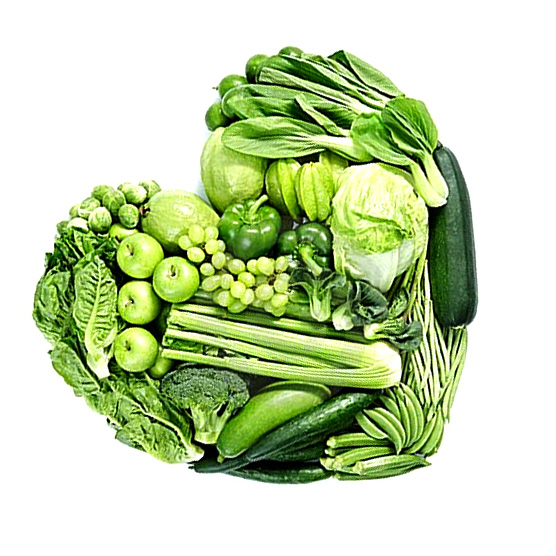
Fiber is found in fruits, vegetables, legumes and whole grains like wheat, oats, and barley. Besides Beans and nuts are good sources of fiber. Fiber lowers your cholesterol level, helps to control the blood sugar, and is great for losing weight as you will feel full longer on less calories.


To eat all this healthy food and replace unhealthy food that you are eating now, you’ll have to cut down on other foods that are not as healthy to lose weight.


How to consume less total fat, saturated fat, and cholesterol.

Start cutting down and eliminating meat and dairy products from your diet. You will consume less fat and cholesterol as well as calories. There is increasing evidence that besides being full of fat and calories, consuming meat and dairy products is also increasing your risk for heart disease and cancer.


Most people are concerned about getting enough protein if they eliminate meat, but vegetables, grains, nuts and seeds and other foods are all good sources of protein. Tell someone that you are not eating dairy, they will invariably ask “How do  you get enough calcium?”  There are many non-dairy calcium rich foods as well as calcium supplements.


You’re never too old to try to lose those unwanted pounds.

Don’t give up on yourself! It’s even more important to reach your desired weight and to be in the best condition you can, to live well and enjoy life as you age. Fill up on more fruits vegetables, grains, nuts and beans and eat less processed foods, sugar, meat and dairy products for a different kind of weight loss diet that actually works and is healthy!


Read Eat to Live on how to incorporate more fruits and vegetables into your diet and specific guidelines on how to eat healthy, get enough protein and lose weight. I highly recommend it and I am losing weight on it right now.


The documentary Forks Over Knives was a startling revelation about meat and dairy products and their effect on your health, that got me to immediately cut down on meat and dairy.


The China Study: The Most Comprehensive Study of Nutrition Ever Conducted And the Startling Implications for Diet, Weight Loss, And Long-term Health is convincing research to show the correlation between animal protein and cancer, as well as dairy products and cancer. I am still working on cutting down on cheese, but meat was surprisingly easy for me to give up.  It may take some effort and studying to make these dietary adjustments, but keep making gradual lifestyle changes over time and the payoff is you’ll reach a healthy weight for you, and reduce your risk for chronic life threatening diseases.

It is an exclusive e-Learning Blog that has been dedicated to help keen learn students to boost their knowledge in different subjects.

Daily fever is usually caused by a viral infection. Various types of viruses are one of the causes of diseases in our country, starting from seasonal infections of the respiratory system, sore throat, diarrhea, even dengue fever. In this case, due to the body's own immune system, these are cured automatically. No antibiotics are needed.


Not only in our country, but also in the United States, antibiotics are used unnecessarily to treat one million viral infections every year. The situation is even worse in Bangladesh. Because antibiotics can be bought here without a prescription. Most viral infections clear up within three to seven days.


Viruses and bacteria are two types of germs. The method of curing the infection of these two is also different. Treatment of viral fever is mainly symptom relief, such as paracetamol, antihistamines, adequate rest, drinking more fluids, etc. Antibiotics are used to treat bacterial infections.


Know what happens when using antibiotics for common viral fever:

Antibiotics do not cure this infection. Antibiotics can also play no role in relieving the symptoms of the disease. Its improper use causes side effects. Taking antibiotics for no reason causes bacteria to form in the body. The same medicine no longer works.


Avoid taking antibiotics if you have a common viral fever. This fever will be cured soon. take rest Drink plenty of fluids. Consult a doctor if fever persists for more than seven days, cough for more than three weeks, green or yellow sputum with cough, blood in sputum, and shortness of breath and chest pain.

It is an exclusive e-Learning Blog that has been dedicated to help keen learn students to boost their knowledge in different subjects.

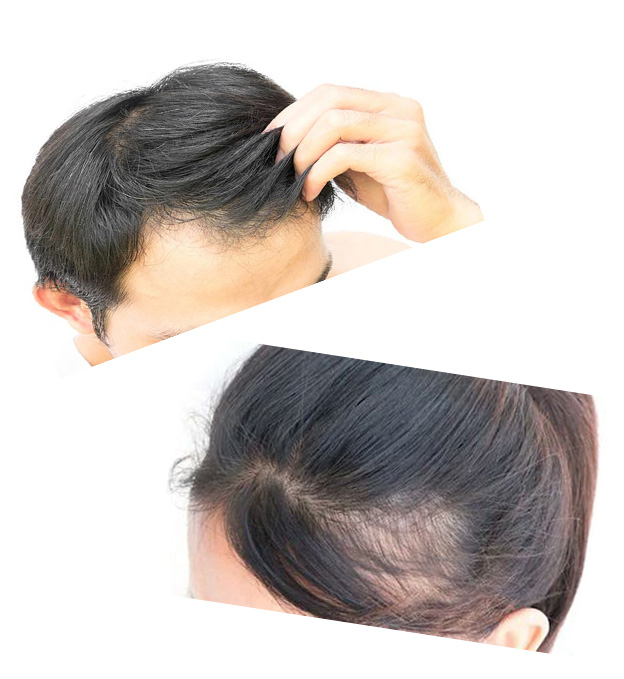
TE (Telogen effluvium) is one of the most common types of hair loss. To understand how and why we lose hair, we have to understand how we grow it. Our hair follicles are not continuously producing more hair. They have a cycle of growing that can last up to two years. Then they have resting cycle that can be as long as two month. The growing stage is called Anagen, and 80-90% of our hair is in the Anagen phase at any one time. The rest of our hair follicles are in the resting phase, which is called Telogen.


Effluvium means outflow. Telogen effluvium means that the number of follicles that are actively producing hair falls during the resting phase, which creates a significant loss of hair, or an 'outflow'.


'

When you have TE, your hair will thin all over your scalp. It is not the typical male pattern baldness or even a receding hairline. It will, however, show more at the top than the sides or back of the head.


Total hair loss is rare with TE, although some people do lose much more than others. The loss of hair is usually limited to the head, but severe cases do exist where it has affected pubic areas and eyebrows.


There are numerous conditions that cause TE, but several dermatologists agree that the growing number of people who follow the vegetarian diet and a general reduction in the amount of red meat we consume, has caused a nutritional deficiency that contributes to the problem. Lack of iron is believed to be a major factor, along with low levels of zinc, L-lysine, Vitamin B6, Vitamin B12, and amino acids.


One of the best ways to get these nutrients is to add the foods that are high in them. When this isn’t possible or practical, there are vitamin supplements that can supply the nutrients you need. You do have to be careful with the supplement, though. You can create a toxic level of iron if you take too much. This can also cause hair loss. Another vitamin that can reach toxic levels in your body is Vitamin A, so be sure that you don’t overdo that one, too.


If you decide that you need supplements to help with you hair loss condition, a visit to a doctor or dermatologist will help you figure out exactly which supplements are best hair growth vitamins for you, and the proper doses you need to take.

It is an exclusive e-Learning Blog that has been dedicated to help keen learn students to boost their knowledge in different subjects.

Depression is nothing new, almost every adult has undergone depression at one point or another in life, no matter the severity or the causes. Depression is a lot more than just simple worries, anxiety or sadness, it is a recurring or continuous state of mind of feeling blue, sad and low emotionally. Clinical depression is also referred to as stress in some cases although scientifically these two are very different. Although depression is a common problem, very few people actually understand what it actually is and how they cad eradicate it. 


Depression


Spotting and Treating Depression

If you are one of the millions of people who suffer from depression at the moment or you are seeking information to use in helping someone with depression, I have some basic information about depression that you need to know about.

Diagnosing depression

If you feel low for a few days, it does not mean you are depressed. Depression is more serious than that and is often as a result of long term low feelings that with time become hard to get out of. There are some signs that you can check to see if you are depressed including feeing sad and irritated all the time, poor physical health such as losing weight or gaining weight rapidly, sleep disorders including oversleeping and sleeping all the time or insomnia, apnea and other lack of sleep disorders, overeating or lack of appetite, poor concentration at work or school, wanting to spend time alone, lack of sex drive and lacking interest in most things that were once fun and interesting. In extreme cases, depression often leads to psychological torture and even thoughts of suicide.


Causes of depression

Unfortunately, there is no one cure that can be said to be the sole cause of depression. This is a mental disorder that can be rooted in personal, financial, family or other problems a person may be experiencing. In some cases, depression is as a result of poor health and grief. The cause of depression is however not that hard to find out, all a patient needs to do is study their lifestyles and find out when the problem began and relate the timing to events at the time. It would be almost impossible to completely treat depression unless you know the root cause of the problem.


Treating depression

After diagnosing depression, the treatment stage should start. The treatment for depression largely depends on the severity of the problem and the symptoms experienced. Mild depression can be easily dealt with by dealing with the cause of the problem. For instance, if one is depressed because of a disease they have, treating the particular disease will eliminate depression. In extreme cases, a patient may have to undergo professional treatment involving hypnosis and therapy.

Conventional treatment involves protection of the patient from self-harm, dealing with the symptoms experienced and preventing the recurrence of the condition. A combination of several approaches including proper diet and nutrition, psychotherapy, lifestyle changes, some medications and other physical strategies like massages, exercises, meditation and relaxation.

It is an exclusive e-Learning Blog that has been dedicated to help keen learn students to boost their knowledge in different subjects.

You have to be a little more conscious about eating at night. Some foods can make you suddenly sick, and some foods can disturb your peaceful sleep. There are certain foods that are responsible for ruining your night's sleep. What, wondering? Not surprisingly, there are certain foods that can ruin your favorite night's sleep.

Say no to these foods at night if you want to sleep peacefully. Let's know which foods to avoid at night to stay healthy.


Avoid these foods before bed:

1. Dark chocolate and coffee

Dark chocolate has many health benefits. But these dark chocolates and coffees contain caffeine which inhibits the functioning of your nervous system. The acidic content of coffee keeps your brain alert and prevents sleepiness.


2. Spicy food

Spicy food takes longer to digest. If you are over 40 then definitely avoid eating spicy food at night. This food causes stomach indigestion, gas problem.


3. Protein foods

Beef, pulses, fatty foods take longer to digest. Again, too much chicken meat works like beef. So avoid eating meat at night.


4. Fast food

Avoid eating fast food. These high-fat foods produce acid in your stomach and can cause heartburn.


5. Processed cheese

Natural cheese is better for health than processed cheese. Taking it at night can cause digestive problems as well as hinder your metabolism. Even this one food can give you a good night's sleep.


6. Soft drink

Soft drink


Many people drink soft drinks after meals. Drinking it at night is more harmful to health. Soft drinks inhibit blood circulation in the body as well as their excess sugar and gaseous compounds that disrupt the sleep cycle and the production of sleep-inducing hormones.


7. Ice cream

Ice cream is made with lots of sugar, milk and other ingredients. Ice cream is not easy to digest, it can even make you gain weight!


8. Sugar

Although natural sugar is good for sleep, artificial sugars that we consume in various foods are absorbed into the blood and provide energy very quickly, but their effectiveness also wears off very quickly, which can cause sleeplessness at night.


9. Fruit

Consuming too much fruit causes gas in the body and digestive problems. If you must eat fruit at night, do not eat more than one cup of fruit.


10. Green tea

Although green tea has many benefits, but green tea is very harmful to sleep. The chemicals in green tea are responsible for that. So don't forget green tea if you want to sleep well at night.


11. Sweet

Many people have the habit of eating sweets after dinner. As the blood sugar level increases and the body relaxes, so does weight gain.

It is an exclusive e-Learning Blog that has been dedicated to help keen learn students to boost their knowledge in different subjects.

One has to be careful about eating during pregnancy. Some foods harm the fetus. And some foods provide energy to the body of both the mother and the unborn child. It is important to eat some fruits during pregnancy to get vitamins and nutrients. However, since pregnancy is a very sensitive matter, any fruit should be eaten according to the condition of the body.


The health section of lifestyle website Boldsky has informed about the fruits that are important during pregnancy.


01. Grapes

Many people think that eating grapes during pregnancy is not right. However, grapes contain vitamin A. Folate, potassium, phosphorus, magnesium, sodium are also found in grapes. So you can eat this fruit during pregnancy.


02. Lemon

Lemon improves digestion, relieves nausea and morning fatigue. Apart from this, lemon also helps in removing toxins from the body.


03. Banana

Constipation is a very common problem during pregnancy. You can eat banana at this time to remove constipation.


04. Orange

Orange is a citrus fruit. It is rich in vitamins and nutrients. Eating this fruit during pregnancy will fulfill the requirement of vitamin C a lot.


05. Apple

It is said that if you eat an apple every day, you don't have to go to the doctor. Even if you don't go to the doctor, it prevents many diseases. You can eat the fruit during pregnancy. It is very safe during pregnancy.


06. Mango

This summer fruit is not only delicious but also contains many healthy ingredients. Contains vitamin A and vitamin C. This fruit is very nutritious during pregnancy.

It is an exclusive e-Learning Blog that has been dedicated to help keen learn students to boost their knowledge in different subjects.

Obesity due to eating disorders and busy lifestyle has now become a cause of concern for both men and women. Bad habits of junk food and irregular eating increase bad fat in the stomach. In which various diseases are created. Everyone is in danger because of that. But we can get rid of this problem very easily. Follow just five rules in a week, and lose belly fat.


Step - 1. The first thing to do to lose belly fat is yoga. Not only abdominal exercises, but whole body exercises should be done. Push-ups, pull-ups should be done. Jump rope is best if you want to lose belly fat in 1 week you need to lose 500 to 600 calories in daily exercise.


Step - 2. Start the day with lemon and water. Drink 1 glass of warm lemon water regularly in the morning. Try to keep the amount of lemon juice high. Eat a piece of fruit or plenty of water before breakfast. Remember, water is the best medicine for losing fat. Besides, the demand for food will decrease. Be sure to drink plenty of water regularly throughout the day.


Step - 3. Abdominal muscles should be exercised 3 days a week. Crunches and leg exercises should be done in 3 sets of 20 times each time. Practice push-ups through the elbows. It will reduce belly fat within 1 week.


Step - 4. To reduce belly fat, sugar and carbohydrates should be eliminated from the diet. Carbohydrates can be kept low to maintain the body's energy levels. But sugar must be avoided. Eat fish and poultry, plenty of vegetables and fiber-rich foods. And eat one or two pieces of fresh fruit every day. Especially sour fruits. No matter what food you eat, the portion of salt should be very less.


Step - 5. Use only cinnamon, pepper and ginger in de-spiced foods. These spices help in removing belly fat. Garlic also removes belly fat. You can practice chewing raw ginger and garlic, it not only cures obesity, but also cures cold and cough and various diseases. Use green chilli paste in food.

It is an exclusive e-Learning Blog that has been dedicated to help keen learn students to boost their knowledge in different subjects.

Hiccups during meals, during class, during urgent meetings at the office or during sleep create an extremely uncomfortable, embarrassing situation. Hiccups never had to be in a state of embarrassment in life, you will not find such a person, it can not be! What to do to quickly remove hiccups at such a time? Let's find out today 10 surefire ways to stop hiccups, any one of them will be beneficial.


hiccups

10 surefire ways to stop hiccups

01. You can eat one spoon of butter or sugar. The problem will be solved quickly.


02. Massage the upper part of the face well. Lightly massage the back of the neck if necessary. It will also reduce hiccups.


03. If you have a sudden hiccup, take a long breath and hold it in for a long time. In this case, keep your nose closed. The problem will be solved.


04. Put your head inside the paper bag and breathe. You will get benefits in a short time.


05. Take a deep breath. Hug the knees close to the chest and stay like this for a few minutes. It gives quick benefits.


06. To stop hiccups, put a piece of lemon on the tongue and suck it as it feels sweet. It is quite effective in stopping hiccups.


07. Drink more water. Drinking cold water especially gives quick benefits.


08. When you breathe in through your nose, lightly pinch your nose. It helps in reducing hiccups.


09. Another helpful way to stop hiccups is to put two fingers in both ears and stay for some time. You will see that hiccups stop immediately.


10. You can also eat grated ginger with lemon juice to stop hiccups. You will get benefits in a short time.

It is an exclusive e-Learning Blog that has been dedicated to help keen learn students to boost their knowledge in different subjects.

Here is the ultimate and precise breast implant info that you were looking for. Breast implant surgery is a prosthetic surgery completed for cosmetic reasons. The breasts sometimes get deformed due to some medical conditions or surgical procedures. In view of augmenting or restructuring the deformed breasts, medical devices are put under chest muscles or under chest tissues.


There are two types of breast implants, saline-filled breast implant and silicone breast implants. Saline shells filled with saline are used in saline implants whereas silicone shells filled with silicone gel are used in silicone implants. Also, platinum, which is in zero oxidation state and pose low health risk, is combined within the gel and shell components of the implants. Breast implants vary in profile, size, and shell surface.


breast reconstruction

Breast augmentation is approved for women over 22 years old and breast reconstruction is approved for women belonging to any age-group. Breast implants are generally performed to enhance the breast size or to remove the undesired results of an earlier breast implant surgery. Some undergo surgery to replace breasts that have been removed as the result of cancer or a traumatic accident. A major problem regarding breast implants is that they do not keep their shape forever. Sometimes the saline-filled breast implants rupture due to uncertain reasons making the implants deflate. The ruptures cause the saline solution to leak into surrounding body parts. This becomes evident as the implant loses its original size and/or shape. After having breast implant surgery, one may have to undergo additional surgeries over the next few years due to rupture, other complications, or cosmetic failure.


One should keep in mind that the changes to ones breasts following breast implantation are irreversible. If one later wants to remove the implants, it becomes impossible to regain the pre-implant breast appearance. When one undergoes revision surgery, the risk of post-surgical complications is more as compared to the first (primary) implant surgery. Performing regular mammograms for screening of breast cancer becomes very difficult after breast implants. Breast implants are not advisable for mothers with young babies because the implants can reduce the ability of milk production. Anyone contemplating the surgery should thoroughly research the breast implant info as well as get proper consultation and choose the best surgeon available.

It is an exclusive e-Learning Blog that has been dedicated to help keen learn students to boost their knowledge in different subjects.

01. Eat green

Green is green. Foods are to follow the principles of sustainable development of agriculture, according to a specific mode of production of production and processing, determined by the governing body of clean green, safe, high quality, nutritious food. At present, an increasing number of foods put on the people's dining table, and people are more and more aware of green food healthy food, more and more choices of green food. No doubt, the future is green will play a key role table.


02. Eat black

Black is black food. Nutritionists have long pointed out that the natural high and low nutritional value of food not only related to the kinds of food, but also with the natural color, of which the black the best nutritional value of food. Belong to the black food, black rice, black sesame, black beans, rye, black fungus, black-bone chicken, turtle and so on, they are not only good taste and rich nutrition, but also a good nourishing diet function, and can improve the immune system, have anti-cancer anti-cancer effects.


03. Eating bacteria

Bacterium is able to form large fruiting bodies of fungi, or the types of sclerotia and to eat, there are mushrooms, shiitake mushrooms, edible fungus, Cordyceps sinensis, Ganoderma lucidum, Poria, etc., they are interested in the human body contains large amounts of nutrients, there is blood fat, lowering blood pressure, regulation of human metabolic effect on blood pressure, new cerebrovascular disease, cirrhosis, diabetes, have a good role in the prevention and adjuvant therapy, and may health skin appearance benefits, enhance immunity, enhance intelligence, improve vision, improve the Human disease resistance.


04. Pac

Beans is beans. Soybeans contain 40% protein, contains 8 kinds of essential amino acids the human body, containing 18% fatty acids, mainly unsaturated fatty acids, resulting in a high nutritional value, and there is anti-aging, blood fat, prevent cancer, and so on. Legumes such as soy milk, Yuba, tofu, etc. are not suitable for the growth and development of young people eat, but also particularly suitable for arteriosclerosis, hyperlipidemia, coronary heart disease, diabetes, elderly people eat.

It is an exclusive e-Learning Blog that has been dedicated to help keen learn students to boost their knowledge in different subjects.

Sports can improve the body's basal metabolic rate, burns calories, it can help lose weight thin. The researchers once made 72 females as test persons, so that they exercise 30 minutes to run away, and before and after exercise testing in the blood of the obese gene product-leptin concentrations.


It was found that 86% of subjects leptin were increased significantly. Another similar findings on the contrary, but the research was based on the intense campaign to for testing, so to be "Sports makes leptin to reduce" result.


Thus, people who want to lose weight Do not exercise too far. Strength exercise basically do not burn up the fat, especially in anaerobic exercise, muscle glycogen produced during anaerobic glycolysis metabolite is lactic acid and lactic acid in aerobic conditions, the majority of decomposition in the liver to carbon dioxide and water, part of the re-synthesis of glycogen, but there are also a small amount of lactic acid synthesis through the metabolism of fat. That is why the strength of the movement not only failed to exercise any role in weight loss, and sometimes contrary, it will cause increased accumulation of body fat.


To this end, sports medicine experts suggest that those who want to lose weight weight-loss, general exercise half an hour to an hour, heart rate per minute under the 130-175 or so, can be regarded as a moderate movement, so that protein concentration can increase the weight-loss.

It is an exclusive e-Learning Blog that has been dedicated to help keen learn students to boost their knowledge in different subjects.

According to the World Health Organization (WHO), there are three simple ways to help reduce your risk of developing cancer . According to  Express, that doctors advise all to maintain a healthy weight, and this protects against 12 types of cancer: bowel cancer, breast, yellow bag, kidney, liver, mouth, esophagus, ovary, pancreas, prostate, stomach, and uterus.


Second, regular physical activity helps reduce the risk of cancer .

And third, it is necessary to stick to a healthy diet, which means eating more vegetables, fruits, whole grains and legumes, reducing red meat and sweetened carbonated water, and completely abstaining from alcoholic beverages .

It should be noted that cancer is a general term for a group of diseases that may affect any part of the body. The distinguishing feature of cancer is the rapid growth of abnormal cells, and their spread beyond their normal limits, and they can penetrate into nearby parts of the body, forming a new focus of the disease called metastases, which is one of the main causes of cancer death . The International Agency for Research on Cancer indicates that the number of new infections that were officially registered in 2020 was about 19.3 million, and the number of cancer deaths was 10 million .


It is an exclusive e-Learning Blog that has been dedicated to help keen learn students to boost their knowledge in different subjects.

We say goodbye to summer and, with it, it's time to pamper our heels again.

The heat that causes swelling, walking barefoot, hot pavements, swimming pools, the beach ... the heels suffer a lot in summer and there are many of us who at this point have them very damaged.


We share 3 tricks or home remedies for cracked heels and restore softness and hydration to your feet.


01. A common trick that works is over hydrating your heels with petroleum jelly . Wash the feet well (better with a pumice stone) and after getting out of the shower, where they soften with the water, dry with the towel well and massage the heels with Vaseline. Let it absorb at least 1 hour with medium-high feet.


02. After the shower, the pumice stone ... rub a lemon all over where there is hardness and cracks and then put the typical Nívea from the blue jar, that dense cream, so that it absorbs well. Ideally, let it air dry for half an hour and then you can put on some socks so that it absorbs better.


03. Aloe vera. Ideally, have aloe vera gel in the fridge. With massages, you reduce inflammation and help to soothe the skin a lot. Therefore, massage and absorption of the gel on the feet helps a lot.

All this will always improve if we soak our feet for half an hour in hot salted water, ideal for removing hardness by softening them. You can know more about: Benefits of aloe vera gel for hair

Do you have any trick for cracked heels? Tell us and together let's make the return to the routine more comfortable and simple.

It is an exclusive e-Learning Blog that has been dedicated to help keen learn students to boost their knowledge in different subjects.

What woman does not like healthy, strong nails? Whether you love the bright pop of nail colors, prefer it to be naturally without polishing, or love the simple elegance of natural nude nail colors, these nail care tips for healthy nails will help keep your hands looking good. attractive. Showing healthy nails and smooth hands to the world is a confidence booster.

Taking care of your nails does not cost a lot and it is not a form of convenience! Keeping your nails in pristine condition is a worthy practice and it is an investment of time really, some “me time”.

The best way to move forward towards longer, stronger nails is actually to become aware and change some habits .... Don't chew your nails, eat healthy and use a screwdriver or stale nail polish remover, not your nails as a tool. ! Here are a few easy nail care tips like healthy nails for stronger, longer nails before you know it.


01. Use a good quality hand cream

Apply hand cream or lotion after washing hands like soaps and hand washes can make nails and skin very dry, leading to brittle, peeling nails. This is one of the most important nail care tips for healthy nails. Use a good hand cream every day and regularly.


02. Natural oils strengthen weak nails

Sweet almond oil, combined with a little salt and rubbed into the nails and cuticles, will help strengthen weak, or broken nails, as well as provide healing stimulating nourishment to dry and flaking cuticles.


03. Treat gently

Treat your cuticles very gently as they protect the growth center of the nail. Never tear the skin or cut the cuticles.


04. Do as your mom said! Stop biting your nails!

Break the habit of biting your nails. Biting the nails can terribly damage the nail and cuticle, leading to disease, a deformed nail shape or uneven nail growth. Note that biting the nails can also transfer harmful organisms to the nail that lead to infection or even increase your chances of catching a cold or the flu.


05. Massage with love

A must in our top nail care tips for healthy nails is a massage. Yes, you heard that right. Stimulating your nails will promote nail growth. Massage the base of your nails whenever you can. Typing, playing the piano, and any other exercise that requires significant finger movement will increase the blood supply to the fingers.


06. Use an Emery Board When Possible

Unless your nails are very long, avoid clipping too short as this can bend or split them. instead, use an emery board to lay nails at the waist. Filing right against your fingernail may peel off the tip, so hold the emery cloth at a 45 degree angle below the free edge of the fingernail.


07. Allow your nails to dry completely

After removing your nail polish, wait a few minutes before you start form filing or shortening your nails.The nails may split if they are not dry. There are a lot of benefits of using a nail dryer.


08. Try to avoid using Acetone Removers

Use nail polish remover as infrequently as possible, especially those containing acetone, as most nail polish removers will dry out nails. Many specialists suggest using solvent free more than once a week. Use a minimal amount of solvent on the nail and avoid getting too much either on the cuticle and the surrounding skin. This one is the top 5 nail care tips for healthy nails. Use as little solvent as possible.


09. Never Scrape Nail Polish!

Never scrape nail polish or use metal instruments to push back cuticles.This can scrape the protective cells from the nail surface. Peeling off peeling nail polish can also be very damaging to the nail.


10. Use a Nail Nourisher

Nails nourishers are quick to apply and pay beauty dividends by nourishing the skin around the nail, as well as the surrounding skin, with essential vitamins, oils and proteins. This helps the nails to grow long, strong and healthy.


11. Take the time for regular manicures

Manicure your nails fully every 7-14 days, reapplying nail polish as often as needed to maintain a well-groomed appearance. Lots of nails and love for hands is an essential part of our nail care tips for healthy nail tips and tricks.


12. Use good quality Top Coat

Apply a top coat almost daily to protect the tips.


13. Painting on a Hardener Nail

The best way to prevent soft, weak nails from breaking is to apply a hardener once or twice a week; it not only saves vulnerable nails but gives a high gloss finish.


14. A quality basecoat is a nail care investment

14) Base coat is a good investment. While formulated to help your nail polish last longer, it also helps prevent bright colors from staining your nails. A useful tip if your nails are stained is for you to try soaking the tips in a small bowl of lemon juice for 15 seconds. The citric acid in lemon juice acts as a natural mild bleach.

however, wash your hands afterwards so that the lemon juice does not dry out your hands.


15. Nail polish Nail protector Very good

Nail polish


Nail polish is also a good nail protector.When applying nail polish, especially dark colors, be sure to apply 2 to 2 thin coats rather than a single thick coat. Don't pick up the polish right on the edges of your nails; it is faster and much cleaner to leave a thin strip on each side.


Practice These Simple Nail Care Tips For Healthy Nails & Beautiful Hands To Last A Lifetime

Smooth, graceful hands and beautiful, well-groomed fingernails are personal qualities that speak volumes about who you are - the level of self care you praise. Your hands say a lot about your health and personal care. Neglected hands leave the side down, they not only create a bad impression, they also show your age.

You can also read: Understanding the Background of Baby Constipation

We notice each other's hands almost subconsciously because we use them in everyday communication! What impression do your hands make? Do they show confidence? Or not? They carry the brunt of everyday life and as such deserve more attention and attention! Even if you try some of our nail care tips for healthy nails, you will soon notice the difference between stronger nails and prettier hands.

It is an exclusive e-Learning Blog that has been dedicated to help keen learn students to boost their knowledge in different subjects.

Baby Constipation

We know pretty much about constipation. Huge numbers of us might not have a thought concerning why kids have constipation, what is the fix for sure. There are numerous youngsters who remain well without heading off to the can for a few days. Once more, numerous individuals may have swelling due to not setting off to the latrine one day. The kid may shout out in torment.

What is constipation?

If a person has trouble or takes a long time to defecate, we name it constipation. Usually constipation can be resulting from consuming less and drinking much less water because of illness. If there is constipation at all times, the cause is to are looking for treatment.


Why is constipation?

There are several causes of lengthy-term constipation or persistent constipation. E.g.

  • Eating causes: Many children may suffer from constipation when eating a low-fat diet. Constipation often occurs even after drinking cow's milk.
  • Physical defects: ঞf anorectic stenosis or anus is congenital closure.
  • Causes of Eating Disorders: Many children may suffer from constipation while eating a low fat diet. Constipation often occurs even after drinking cow's milk
  • Physical Defects: Anorectic stenosis or if the anus is congenitally closed
  • Defects in the nervous system
  • If mentally handicapped
  • Neurological problems or cerebral palsy
  • If there is no meat in front of the stomach at birth
  • If the body continues to lose energy or hypo-tension
  • In case of hypothyroidism
  • In case of multiple diseases
  • If there is too much calcium in the body
  • If renal tubular acidosis

Three to five years children's suffer more from constipation. This children has had bowel issues for several months and has bowel actions for numerous days in a row. a lot of the time the kid may damage the pants, every now and then he may be absent from school.

What kind of problems does the baby have when constipation?


  • Abdominal pain: Occasionally, there will be pain
  • There will be reluctance to eat and drink and loss of appetite
  • There may be nausea or nausea
  • Body weight will increase less
  • Examination will show that the stomach is hard and swollen. If you put your hand on your stomach, the stool will feel hard. The anus will remain moist and the sphincter will remain open. On top of this, the stool is stuck.

If the baby suffers from constipation, you should take some information about the baby's birth. For example, whether there is a delay in bowel movement or defecation after birth, what was the habit of defecation in childhood, what was the habit of eating, what was the habit of parents and child defecation, whether there was fissure in the rectum, stenosis or rectal closure and spinal tone or nerve function in the rectum, Is there.

Related post: How to keep in good health


If the sphincter is tight or stiff, the anus is defecated, and the abdomen is swollen, then it is understood that the child has Hirschsprung disease (HSCR). If the sphincter is loose, it should be understood that it is due to the weakness of the nervous system.

If near the spine at the waist is an anorexia that resembles Rome and the bladder, it is a birth defect, called Spina bifida occulta.

Treatment:

The child should develop the habit of defecating calmly. It is important to keep an eye on whether the child is in pain and parents should be free of worry, do not suffer from instability. If necessary, children should be rewarded and encouraged to defecate.
* The baby should be given plenty of water and fibrous food. Drugs may be given to soften the tight stool.
* If there is no stool, then you have to take a general enema to the doctor. Glycerin suppositories can be given at home. This suppository can be given after consuming one to two teaspoons of methyl cellulose.
If there is fissure in the anus, it should be treated. Consult a pediatric psychiatrist if child have any mental problems.
If these treatments fail, it should be assumed that the child has Hirschsprung disease. In this case, there is no para-sympathetic ganglionic cell when the biopsy is performed from the anus. The disease is usually caught in 80 percent of the first month of birth and 95 percent in the first year. Symptoms include stomach bloating, vomiting, constipation, loss of appetite, and yellow vomiting.
X-rays will show gas and feces in the stomach. The presence of gas in the rectal ampule means Hirschsprung disease. It has to be treated by operation. So if the child is constipated, do not neglect to consult a pediatrician. Keep your child healthy.

The article is collected from online journal & written by:
Dr. Md. Mujibur Rahman
➮Pediatrician and Consultanta
Content Modified by: Digital Study Center
It is an exclusive e-Learning Blog that has been dedicated to help keen learn students to boost their knowledge in different subjects.

Understanding The Background Of Facts About Blood And Blood Types

There are four major blood groups determined by the presence or absence of two antigens– A and B – on the surface of red blood cells. In addition to the A and B antigens, there is a protein called the Rh factor, which can be either present (+) or absent (–), creating the 8 most common blood types:
(i) A+
(ii) A-
(iii) B+
(iv) B-
(v) O+
(vi) O-
(vii) AB+
(ix) AB-

Group A

Group B

Group AB

Group O

Blood Type Compatibility

Blood Type Compatibility
It is an exclusive e-Learning Blog that has been dedicated to help keen learn students to boost their knowledge in different subjects.

Basic protective measures against the new coronavirus

Stay aware of the latest information on the COVID-19 outbreak, available on the WHO website and through your national and local public health authority. Most people who become infected experience mild illness and recover, but it can be more severe for others. Take care of your health and protect others by doing the following:


Wash your hands frequently
Regularly and thoroughly clean your hands with an alcohol-based hand rub or wash them with soap and water.


Why? Washing your hands with soap and water or using alcohol-based hand rub kills viruses that may be on your hands.

Maintain social distancing
Maintain at least 1 metre (3 feet) distance between yourself and anyone who is coughing or sneezing.

Why? When someone coughs or sneezes they spray small liquid droplets from their nose or mouth which may contain virus. If you are too close, you can breathe in the droplets, including the COVID-19 virus if the person coughing has the disease.


Avoid touching eyes, nose and mouth
Why? Hands touch many surfaces and can pick up viruses. Once contaminated, hands can transfer the virus to your eyes, nose or mouth. From there, the virus can enter your body and can make you sick.

Practice respiratory hygiene
Make sure you, and the people around you, follow good respiratory hygiene. This means covering your mouth and nose with your bent elbow or tissue when you cough or sneeze. Then dispose of the used tissue immediately.

Why? Droplets spread virus. By following good respiratory hygiene you protect the people around you from viruses such as cold, flu and COVID-19.

If you have fever, cough and difficulty breathing, seek medical care early

Stay home if you feel unwell. If you have a fever, cough and difficulty breathing, seek medical attention and call in advance. Follow the directions of your local health authority.

Why? National and local authorities will have the most up to date information on the situation in your area. Calling in advance will allow your health care provider to quickly direct you to the right health facility. This will also protect you and help prevent spread of viruses and other infections.


Stay informed and follow advice given by your healthcare provider

Stay informed on the latest developments about COVID-19. Follow advice given by your healthcare provider, your national and local public health authority or your employer on how to protect yourself and others from COVID-19.

Why? National and local authorities will have the most up to date information on whether COVID-19 is spreading in your area. They are best placed to advise on what people in your area should be doing to protect themselves.


Protection measures for persons who are in or have recently visited (past 14 days) areas where COVID-19 is spreading

  • Follow the guidance outlined above.
  • Stay at home if you begin to feel unwell, even with mild symptoms such as headache and slight runny nose, until you recover. Why? Avoiding contact with others and visits to medical facilities will allow these facilities to operate more effectively and help protect you and others from possible COVID-19 and other viruses.
  • If you develop fever, cough and difficulty breathing, seek medical advice promptly as this may be due to a respiratory infection or other serious condition. Call in advance and tell your provider of any recent travel or contact with travelers. Why? Calling in advance will allow your health care provider to quickly direct you to the right health facility. This will also help to prevent possible spread of COVID-19 and other viruses.


Info Source: World Health Organization
It is an exclusive e-Learning Blog that has been dedicated to help keen learn students to boost their knowledge in different subjects.

Coronavirus

All you need to know about Coronavirus

The Coronavirus identified in Wuhan, China, for the first time in late 2019 is a new viral strain that has never previously been identified in humans. It has been called SARS-CoV-2 and the respiratory disease it causes is referred to as Covid-19.

It is essential to know him to avoid panic and alarmism but at the same time protect himself adequately and responsibly.

Read all the questions you probably asked yourself and deepen them with the answers of the experts.

Coronavirus: what it is and where to find the right information

1. What is a Coronavirus?
Coronaviruses are a large family of viruses known to cause diseases ranging from the common cold to more serious diseases such as Middle Eastern Respiratory Syndrome (MERS) and Severe Acute Respiratory Syndrome (SARS).

They are positive-stranded RNA viruses, with a crown-like appearance under an electron microscope. The subfamily Orthocoronavirinae of the Coronaviridae family is classified into four genera of coronavirus (CoV): Alpha-, Beta-, Delta-- and Gammacoronavirus. The betacoronavirus genus is further separated into five subgenres (including Sarbecovirus).

Coronaviruses were identified in the mid-1960s and are known to infect humans and certain animals (including birds and mammals). The primary target cells are the epithelial cells of the respiratory and gastrointestinal tract.


To date, seven Coronaviruses have proven to be able to infect humans:

  • Common human coronaviruses: HCoV-OC43 and HCoV-HKU1 (Betacoronavirus) and HCoV-229E and HCoV-NL63 (Alphacoronavirus); they can cause common colds but also serious lower respiratory tract infections.
  • Other human Coronaviruses (Betacoronavirus): SARS-CoV, MERS-CoV and 2019-nCoV (now called SARS-CoV-2).

2. What is a new Coronavirus?
A new Coronavirus (nCoV) is a new strain of coronavirus that has never previously been identified in humans. In particular, the one called SARS-CoV-2 (previously 2019-nCoV), has never been identified before being reported in Wuhan, China, in December 2019.

3. What is SARS-Cov-2?
The virus causing the current coronavirus epidemic has been called "severe acute respiratory syndrome coronavirus 2" (SARS-CoV-2). This was announced by the International Committee on Taxonomy of Viruses (ICTV) which deals with the designation and naming of viruses (i.e. species, genus, family, etc.). The name is indicated by a group of experts specifically appointed to study the new coronavirus strain. According to this pool of scientists, the new coronavirus is the brother of what caused Sars (SARS-CoVs), hence the chosen name of SARS-CoV-2.

4. What is COVID-19?
The disease caused by the new Coronavirus has a name: "COVID-19" (where "CO" stands for corona, "VI" for virus, "D" for disease and "19" indicates the year in which it occurred). WHO Director-General Tedros Adhanom Ghebreyesus announced this on February 11, 2020 in a press briefing during a break in the extraordinary Forum dedicated to the virus.

5. Is the new Coronavirus the same as SARS?
No. The new Coronavirus (now referred to as SARS-CoV-2 and formerly named 2019-nCoV) belongs to the same family of acute severe respiratory syndrome (SARS) viruses but is not the same virus.

The new Coronavirus, responsible for respiratory disease now called COVID-19, is closely related to SARS-CoV and is genetically classified within the Betacoronavirus Sarbecovirus subgenus.

6. Why did the new coronavirus appear? (SOURCE: ISS)
The appearance of new pathogenic viruses for humans, previously circulating only in the animal world, is a widely known phenomenon (called spill over) and it is thought that it may also be the basis of the origin of the new coronavirus (SARS- CoV-2). The scientific community is currently trying to identify the source of the infection.

7. Where can I find more information on the new Coronavirus?
The Ministry of Health has created a dedicated website: www.salute.gov.it/nuovocoronavirus and has activated the public utility number 1500.

More information on the Epicenter of the Istituto Superiore di Sanità - Epicenter.

In addition, the Spallanzani Institute (INMI) publishes a medical bulletin at about 12 each day on the cases confirmed in Italy and on the tests of the monitored contacts.

Symptoms of Coronavirus

1. What are the symptoms of a person infected with a Coronavirus?

It depends on the virus, but the most common symptoms include fever, cough, breathing difficulties. In severe cases, the infection can cause pneumonia, severe acute respiratory syndrome, kidney failure and even death.

2. How dangerous is the new virus?
Like other respiratory diseases, new coronavirus infection can cause mild symptoms such as cold, sore throat, cough and fever, or more severe symptoms such as pneumonia and breathing difficulties. It can rarely be fatal.

The people most susceptible to severe forms are the elderly and those with pre-existing diseases, such as diabetes and heart disease.

3. What is the difference between the flu symptoms, a common cold and the new Coronavirus?
The symptoms are similar and consist of cough, fever, cold. However, they are caused by different viruses, therefore, in case of suspicion of Coronavirus, it is necessary to carry out laboratory tests to confirm the diagnosis.

4. How long does the incubation period last?
The incubation period represents the period of time that passes between the infection and the development of clinical symptoms. It is currently estimated that it varies between 2 and 11 days, up to a maximum of 14 days.

Coronavirus transmission mode

1. Can Coronaviruses and the new Coronavirus be transmitted from person to person?
Yes, some Coronaviruses can be transmitted from person to person, usually after close contact with an infected patient, for example among family members or in a healthcare setting.

The new Coronavirus responsible for respiratory disease COVID-19 can also be transmitted from person to person through close contact with an infected case.

2. How is the new Coronavirus transmitted from person to person?
The new Coronavirus is a respiratory virus that mainly spreads through close contact with a sick person. The primary way is the breath droplets of infected people, for example through:

  • saliva, coughing and sneezing;
  • direct personal contacts;
  • hands, for example by touching contaminated (not yet washed) hands with mouth, nose or eyes.

In rare cases, infection can occur through faecal contamination.
Normally respiratory diseases are not transmitted with food, which in any case must be handled respecting good hygiene practices and avoiding contact between raw and cooked food.
Other studies are underway to better understand how the virus is transmitted.

3. What is the definition of close contact? (ECDC SOURCE)

  • Healthcare professional or other person employed in the assistance of a suspected or confirmed case of COVID-19, or laboratory staff involved in the treatment of SARS-CoV-2 samples.
  • Having been in close contact (face to face) or in the same closed environment with a suspected or confirmed case of COVID-19.
  • Living in the same house as a suspected or confirmed case of COVID-19.
  • Having traveled by plane in the same row or in the two previous or subsequent rows of a suspected or confirmed case of COVID-19, traveling companions or assistance persons, and crew members assigned to the section of the plane where the case indicates he was seated (if the index case has a severe symptomatology or has moved within the plane indicating greater passenger exposure, consider all passengers seated in the same section of the plane or throughout the plane as close contacts).
The epidemiological link may have occurred within a period of 14 days before or after the onset of the disease in the case under consideration.

4. How to handle close contact of a confirmed case of COVID-19?

Based on the Ordinance "Further prophylactic measures against the spread of the infectious disease COVID-19" of 21 February 2020, the territorially competent health Authorities must apply to the close contacts of a confirmed case the measure of the quarantine with active surveillance, for fourteen days.

5. Can the new Coronavirus infection be contracted by a case that has no symptoms (asymptomatic)?
According to currently available data, symptomatic people are the most frequent cause of the virus spreading. WHO considers new Coronavirus infection infrequent before symptoms develop.

6. Who can get the infection?
People who live or have traveled to areas infected with the new Coronavirus may be at risk of infection. Currently the new Coronavirus is circulating in China where the highest number of cases are reported. In other countries, the majority of reported cases recently traveled to China. Few other cases occurred in those who lived or worked closely with infected people in China.

7. Is it true that you can contract the new Coronavirus (SARS-CoV-2) through contact with bus handles or on the subway by being close to a person who coughs? (ISS)

Based on the available data, it is considered highly unlikely that an infection could occur through the bus handles or on the subway. Instead, it is certain that we are in the middle of the flu season. Therefore, if symptoms such as fever, cough, sore throat, headache and, in particular, breathing difficulties appear, you should consult your doctor. However, to prevent infections, including respiratory infections, it is good practice to wash your hands frequently and carefully after touching potentially dirty objects and surfaces before bringing them to your face, eyes and mouth.

8. Are healthcare professionals at risk from a new Coronavirus?
Yes, they can be, as healthcare professionals come into contact with patients more often than the general population does. The World Health Organization (WHO) recommends that healthcare professionals apply appropriate prevention and control measures for infections in general and respiratory infections in particular.

Surfaces and Hygiene

1. How does the new Coronavirus spread?
The new Coronavirus is a respiratory virus that spreads mainly through contact with the breath droplets of infected people, for example when they sneeze or cough or blow their nose. It is therefore important that sick people apply hygiene measures such as sneezing or coughing in a handkerchief or with their elbows flexed and throwing used tissues in a closed basket immediately after use and washing hands frequently with soap and water or using alcoholic solutions.

2. What are the rules for hand disinfection / washing?
Hand washing and disinfection are the key to preventing infection. You should wash your hands often and thoroughly with soap and water for at least 60 seconds. If soap and water are not available, an alcohol-based hand sanitizer (alcohol concentration of at least 60%) can also be used.

3. How long does the new Coronavirus survive on surfaces?
Preliminary information suggests that the virus may survive several hours, even if it is still under study. The use of simple disinfectants is able to kill the virus by canceling its ability to infect people, for example disinfectants containing 75% alcohol (ethanol) or 1% chlorine-based (bleach).

4. Is it safe to receive parcels from China or other countries where the virus has been identified?
Yes, it is safe. WHO has said that people who receive parcels are not at risk of contracting the new Coronavirus because it is unable to survive on surfaces for long.

Animals and Coronavirus

1. Can people get new Coronavirus infection from animals?
Detailed investigations have found that, in China in 2002, SARS-CoV was transmitted from civet cats to humans and, in Saudi Arabia in 2012, MERS-CoV from dromedaries to humans. Numerous known coronaviruses circulate in animals that have not yet infected humans. As surveillance improves around the world, more Coronaviruses are likely to be identified.

The animal source of the new Coronavirus has not yet been identified. It is assumed that the first human cases in China are derived from an animal source.

2. Can I get the infection from my pet?
No, at the moment there is no scientific evidence that pets, such as dogs and cats, have contracted the infection or can spread it.

It is recommended to wash your hands frequently with soap and water or using alcoholic solutions after contact with animals.

3. Are imports of animals or animal products from China possible?
Due to the presence of some contagious animal diseases in China, only a few live animals and unprocessed animal products are authorized for import into the European Union from China.

There is no evidence that any of the animals, or products of animal origin, authorized to enter the European Union pose a health risk to EU citizens due to the presence of SARS-CoV-2 in China.

4. Is it possible to import food products from China?
As with imports of animals and animal products, due to the animal health situation in China, only a few food products of animal origin are authorized for import into the EU from China, provided that they meet strict health requirements and are have been checked.

For the same reasons, travelers entering EU customs territory are not allowed to carry meat, meat products, milk or dairy products in their baggage.

Coronavirus Prevention and Treatment
1. Is there a vaccine for a new Coronavirus?
No, being a new disease, there is still no vaccine and to make an ad hoc one the times can also be relatively long (it is estimated 12-18 months).

2. What can I do to protect myself?
Stay informed about the spread of the epidemic, available on the WHO website and take the following personal protection measures:

  • wash your hands often with soap and water or with alcohol-based solutions to eliminate the virus from your hands;
  • keep a certain distance - at least one meter - from other people, especially when they cough or sneeze or if they have a fever, because the virus is contained in saliva droplets and can be transmitted by breathing at close range;
  • avoid touching your eyes, nose and mouth with your hands if you have a fever, cough or breathing difficulties and have recently traveled to China or if you have been in close contact with a person who has returned from China and has respiratory disease;
  • if you have a fever, cough or breathing difficulties and have recently traveled to China or if you have been in close contact with a person who has returned from China and is suffering from respiratory disease, report it to the free number 1500, set up by the Ministry of Health. Remember that there are several causes of respiratory diseases and the new coronavirus may be one of them. If you have mild symptoms and have not recently been to China, stay at home until symptoms are resolved by applying hygiene measures, which include hand hygiene (wash your hands often with soap and water or alcoholic solutions) and ways respiratory (sneezing or coughing in a tissue or with the elbow flexed, use a mask and throw the used tissues in a closed basket immediately after use and wash your hands).

3. Is the virus transmitted through the food route?
Normally respiratory diseases are not transmitted with food, which in any case must be handled respecting good hygiene practices and avoiding contact between raw and cooked food.

4. Do I have to wear a mask to protect myself?

The World Health Organization recommends wearing a mask only if you suspect you have contracted the new Coronavirus and are experiencing symptoms such as coughing or sneezing or if you are caring for a person with suspected new Coronavirus infection (recent trip to China and respiratory symptoms) . The use of the mask helps to limit the spread of the virus but must be adopted in addition to other measures of respiratory and hand hygiene. It is not useful to wear multiple overlapping masks.

5. How should I put on and remove the bezel?

Here's how to do it:

  • before putting on the mask, wash your hands with soap and water or with an alcoholic solution
  • cover your mouth and nose with the mask making sure it fits tightly on your face
  • avoid touching the mask while you wear it, if you touch it, wash your hands
  • when it gets wet, replace it with a new one and do not reuse it; in fact they are single-use masks
  • remove the mask by taking it from the elastic and do not touch the front of the mask; throw it immediately in a closed bag and wash your hands.


6. Is there treatment for a new Coronavirus?
There is no specific treatment for disease caused by a new coronavirus. Treatment should be based on the patient's symptoms. Supportive care can be very effective. Specific therapies are being studied.

7. Can antibiotics be helpful in preventing new Coronavirus infection?
    No, antibiotics are not effective against viruses, but only work against bacterial infections.

Coronavirus Diagnosis
1. Do you privately undergo blood tests, or other biological samples, to know if you have contracted the new Coronavirus (SARS-CoV-2)?

No. There are currently no commercial kits to confirm the diagnosis of new coronavirus infection. The diagnosis must be performed in the regional reference laboratories, on respiratory clinical samples according to the Real Time PCR protocols for SARS-CoV-2 indicated by WHO. In case of positivity to the new Coronavirus, the diagnosis must be confirmed by the national reference laboratory of the Istituto Superiore di Sanità.

Source:
Directorate-General for Health Prevention
Ministry of Health (ITALY)
It is an exclusive e-Learning Blog that has been dedicated to help keen learn students to boost their knowledge in different subjects.
As you age, you realize that wrinkles can make you look much older than you really are. But there are other culprits that can add years to your appearance. One of these is getting dark spots on your skin.

But you don't necessarily have to go to a dermatologist for a solve. Below, I am sharing with you the most common treatments.

Cucumber: A fresh slice of cucumber can help get rid of acne scars and pimples spots. Gently rub this cucumber piece on your skin and wash off after 20 to 30 minutes.

Orange peel: contains Vitamin C in large amounts which makes it a perfect remedy for all sorts of skin conditions. Make a DIY facial mask by mixing 1 tbsp of orange peel powder with 3 tbsp of milk. Apply the mask, let it nourish your skin for 10-15 minutes, and then rinse with water.

Apple Cider Vinegar: Contains alpha hy-droxy acid, which gets rid of dead skin cells. It is also rich in vitamins and minerals, helping to brighten and heal the skin.

Lemon: is another natural product that has strong whitening properties. Apply some fresh lemon juice onto the affected area with a cotton pad. Let the juice dry and then rinse with water. Apply this remedy daily for at least 2 weeks.

You may also mix lemon juice with honey for a DIY facial mask that will help to brighten, nourish, exfoliate, and even the tone of your skin.

Coconut oil: is another natural remedy that can work wonders for skin that is affected by dark patches thanks to its nourishing, anti-bacterial, and moisturizing properties. Apply coconut oil onto affected areas and let your skin absorb it. Make sure you use cold pressed oil as it contains more vitamins.

Onions: have acidic properties that act to lighten dark spots on skin. Peel a red onion and process it in either a juicer or a blender. Use a cotton ball to dab some of the onion on your dark spots, and let it sit for 15 minutes, then rinse it off.


Aloe Vera: Contains vitamins A, C, and, E, which help to reduce brown spots and even out skin tone.


Potato: Slice up a potato and place one slice directly on the black spots; leave on for a few minutes and then wash your face with lukewarm water.

Pineapple: is rich in natural acids that are effective for skin whitening. Apply pineapple juice onto the areas affected by dark patches with a cotton pad and rinse after 5 minutes.You may also rub your skin with thin slices of fresh pineapple.


Tomato: Scrub a slice of tomato on your face daily or apply tomato juice directly on your face. Leave it on for 20 minutes. Thereafter wash off with cold water and use this recipe daily.

Sun exposure: is one of the factors that causes dark patches on your skin. Spending a long time in the sun triggers the production of melanin which is our natural protection against harmful solar radiation. Spend less time in the open when the sun is most active and use sunscreen regularly.

Milk and honey paste: Milk is known as a natural lightening agent and honey works as a very good moisturizer. Mix some milk and honey in a bowl and apply on your dark spots. Leave it on for about 5-10 minutes and wash off. This will help lighten the spots completely.

Medical Treatments: If you have the money and you want fast results, you can opt for medical treatments. Common treatments for dark spots include chemical peels, microdermabrasion, and laser therapy. Chemical peel and microdermabrasion promote skin regeneration by removing the top layer of the skin. Laser therapy involves the use of different types of lasers that reduce accumulated melanin in a certain area. It is best to consult your doctor and ask about which treatment is best for your skin type.